Common Causes of Damage in Brick and Stone Flatwork
Local contractors specializing in brick and stone flatwork damage repair can help address common causes of damage, restoring stability and appearance to your flat surfaces.
Visitors exploring common causes of damage in brick and stone flatwork are in the right place to find practical insights that can help protect and maintain their property. Understanding what leads to deterioration-such as shifting ground, improper installation, or exposure to harsh weather-can be essential for property owners looking to preserve the integrity and appearance of their flat surfaces. Recognizing these issues early may also make it easier to connect with local contractors who specialize in brick and stone flatwork repair, ensuring that damage is addressed effectively before it worsens.
For property owners in the area, exploring the common causes of damage in brick and stone flatwork offers valuable knowledge for proactive maintenance and timely repairs. Factors like freeze-thaw cycles, water infiltration, and structural movement are typical culprits that can compromise the stability of flat surfaces over time. Local service providers experienced in flatwork repair can assess these issues and recommend appropriate solutions, helping to keep outdoor spaces safe and visually appealing. Keep reading to learn more about these causes and how professional repair services can help maintain the longevity of brick and stone flatwork.
- Brick and stone flatwork damage repair services are needed when cracks or shifting occur due to freeze-thaw cycles, and local contractors can assess and restore the integrity of the surface. Efflorescence and staining often indicate water infiltration problems, prompting service providers to evaluate and address underlying moisture issues. Uneven or sinking surfaces may result from soil movement or poor initial installation, with local pros performing leveling and stabilization work. Chipping or spalling caused by freeze damage or impact can be repaired by specialists who replace damaged sections and reinforce the flatwork. Cracks and gaps from ground shifting or heavy loads are common issues that local service providers can repair to prevent further deterioration.
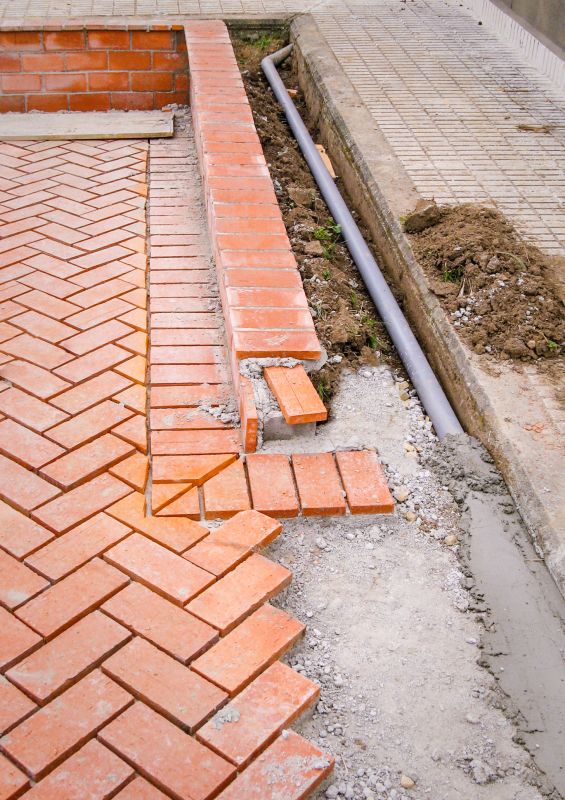
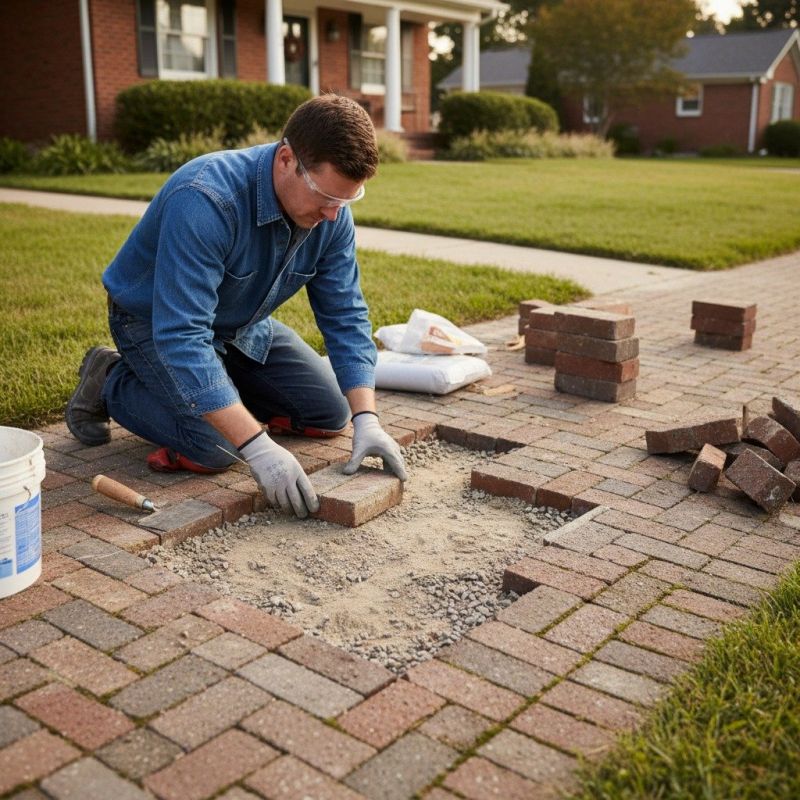
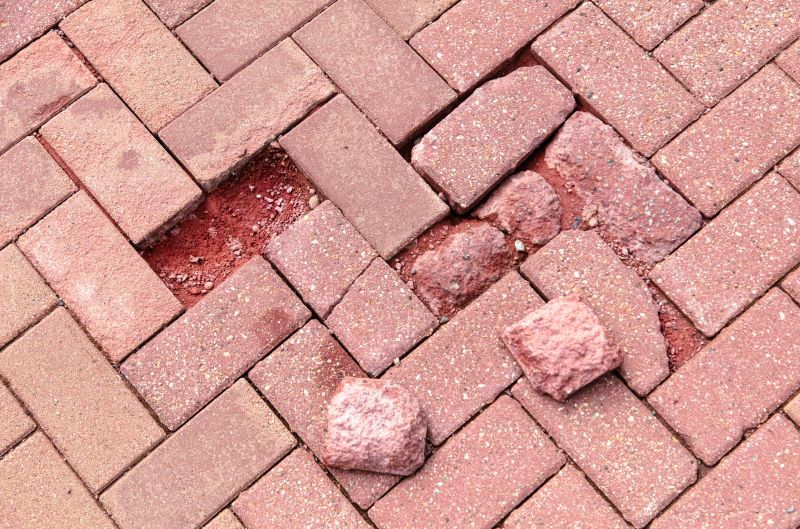
When homeowners search for information about common causes of damage in brick and stone flatwork, they are typically trying to understand why their paved surfaces may be cracking, settling, or deteriorating over time. These flat surfaces often include patios, walkways, driveways, and other paved areas made from brick or stone materials. Recognizing the root causes of damage helps property owners plan repairs and maintenance more effectively, ensuring their outdoor spaces remain functional and visually appealing. Local contractors specializing in brick and stone flatwork damage repair can assess these issues, identify underlying problems, and recommend appropriate solutions to restore the integrity of the surface.
Many of the problems associated with brick and stone flatwork stem from issues related to soil conditions, improper installation, or environmental factors. For example, poor drainage can lead to water pooling or seeping into the foundation, which causes the materials to shift, crack, or settle unevenly. Additionally, freeze-thaw cycles can be particularly damaging in climates with cold winters, as trapped moisture expands and contracts within the materials, leading to spalling or cracking. Improper base preparation or inadequate compaction during installation can also set the stage for future problems, as the surface may become unstable or uneven over time. Understanding these common causes allows homeowners to better anticipate potential issues and seek out experienced local service providers for repairs.
Property types that frequently experience damage in brick and stone flatwork include residential homes, commercial buildings, and public spaces. Residential properties often feature driveways, patios, and walkways that are exposed to daily use, weather changes, and soil movement. Commercial properties, such as storefronts or office complexes, rely on durable flatwork for safety and aesthetics, making timely repairs critical. Public parks, sidewalks, and community spaces also face wear and tear from foot traffic, weather exposure, and ground shifting. In all cases, damage can compromise safety, accessibility, and visual appeal, which underscores the importance of regular inspections and prompt repairs by qualified local contractors.
Understanding the common causes of damage in brick and stone flatwork helps homeowners connect the dots between underlying issues and visible deterioration. Whether caused by water infiltration, ground movement, or installation flaws, these problems often require professional intervention to prevent further damage. Local service providers who specialize in brick and stone flatwork damage repair are equipped to diagnose the specific causes of issues and carry out effective repairs. By addressing these root causes early, property owners can extend the lifespan of their flat surfaces, maintain their property’s value, and ensure safe, attractive outdoor spaces for years to come.
Paving and walkway installation - local contractors skilled in installing durable surfaces often work with similar tools and planning methods as those used in repairing brick and stone flatwork damaged by weather or ground movement.
Retaining wall construction - this project involves understanding soil pressure and material stability, which are important considerations when addressing damage causes in flatwork surfaces.
Patio and outdoor living space design - designing and constructing these areas requires knowledge of proper foundation preparation and material selection, relevant to preventing common flatwork issues.
Concrete flatwork services - many of the skills used in concrete flatwork repair overlap with those needed for fixing cracks, shifting, or deterioration in brick and stone flatwork.
Drainage system installation - effective drainage planning helps prevent water-related damage in flatwork, making this a related project for addressing causes of damage.
Landscape grading and erosion control - managing ground stability and water flow is crucial in preventing damage to flatwork, and local service providers can handle these related tasks.
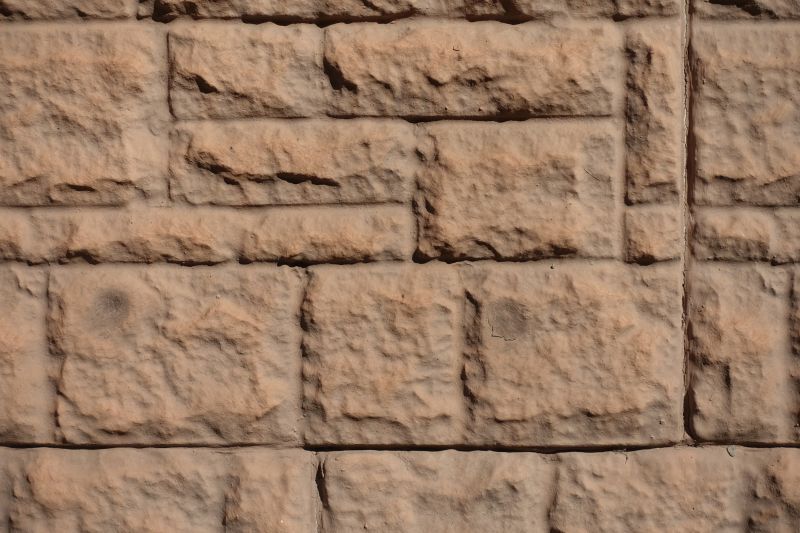
When comparing service providers for brick and stone flatwork damage repair, it is important to consider their experience with similar projects. Homeowners should seek out local contractors who have a proven track record in addressing common causes of damage in brick and stone flatwork, such as settling, freeze-thaw cycles, or improper installation. Contractors with relevant experience are more likely to understand the specific challenges posed by these issues and to deliver effective, durable repairs that restore the integrity of the flatwork.
Clear written expectations are essential when evaluating potential service providers. Homeowners should look for detailed proposals that outline the scope of work, materials to be used, and the steps involved in the repair process. Having these expectations documented helps ensure that both parties are aligned on the project’s goals and reduces the risk of misunderstandings. Reputable local contractors typically provide transparent communication and thorough explanations, making it easier to compare options and select a provider who meets the homeowner’s needs.
Good communication and reputable references are key factors in choosing a reliable service provider. Homeowners are encouraged to ask for references or reviews from previous clients who had similar types of damage repaired. This feedback can offer insights into the contractor’s professionalism, responsiveness, and quality of work. A contractor who maintains open lines of communication and has a history of satisfied clients is more likely to provide a smooth repair process and results that meet expectations. These qualities help ensure the repair work addresses the common causes of damage effectively and sustainably.
Property owners often search for common causes of damage in brick and stone flatwork when they are planning practical projects around their homes and businesses. Local pros provide Brick and Stone Flatwork Damage Repair services for everyday jobs and straightforward project options.
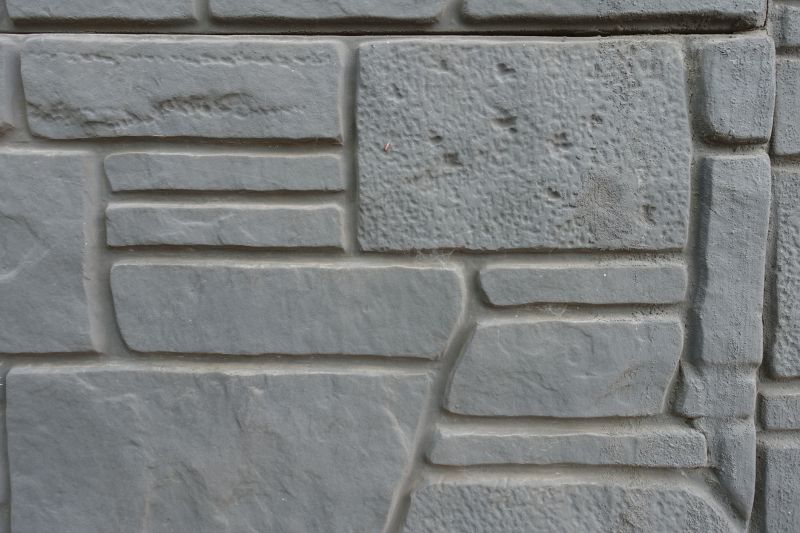
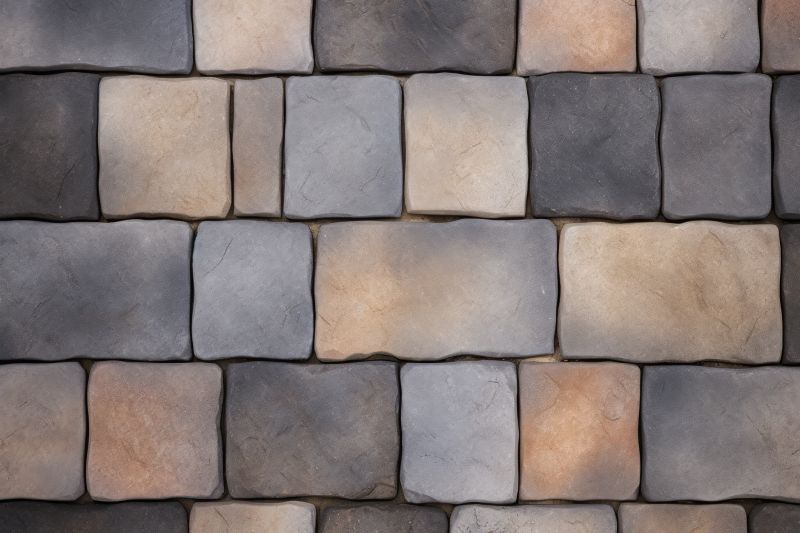
Understanding the common causes of damage in brick and stone flatwork can help property owners recognize issues early and seek appropriate repair services. Everyday situations such as exposure to harsh weather conditions, including freeze-thaw cycles, can cause cracks or shifting in the flatwork over time. Additionally, improper installation or insufficient foundation support may lead to uneven surfaces, cracking, or settling. Heavy foot traffic or vehicle loads can also contribute to surface deterioration, especially if the flatwork wasn’t designed to handle such stress. Local contractors experienced in brick and stone flatwork repair are familiar with these typical causes and can assess the damage to recommend effective solutions.
Property owners often look up this topic to better understand why their flatwork has developed cracks, chips, or uneven areas. Common causes like water infiltration, which can weaken the mortar or stone over time, are frequent culprits. Poor drainage around the flatwork area can lead to pooling and increased moisture exposure, accelerating deterioration. Additionally, ground movement or shifting soil beneath the surface can cause cracks or unevenness. When damage occurs, local service providers specializing in brick and stone flatwork repair can help address these issues, restoring the durability and appearance of the flatwork while preventing further problems.
What are common causes of damage in brick and stone flatwork? Common causes include freeze-thaw cycles, which cause expansion and cracking, as well as improper installation that leads to shifting or settling. Water infiltration and poor drainage can also weaken the materials over time, resulting in damage. Additionally, physical impacts from heavy loads or accidents may cause chipping or cracking. Local contractors experienced in flatwork repairs can assess these issues and recommend appropriate solutions.
How does water infiltration damage brick and stone flatwork? Water can seep into cracks or porous surfaces, leading to internal weakening and freeze-thaw damage during cold weather. Over time, this process causes cracks, spalling, or loosening of bricks and stones. Proper sealing and drainage improvements by service providers can help prevent further water-related damage.
Can improper installation cause damage to brick and stone flatwork? Yes, improper installation-such as inadequate base preparation or incorrect mortar application-can lead to uneven settling, cracking, or shifting. These issues make the flatwork more vulnerable to other forms of damage. Experienced local contractors can identify installation flaws and perform necessary repairs or replacements.
What role does environmental exposure play in flatwork damage? Exposure to harsh weather conditions like freezing temperatures, heavy rain, or snow can accelerate deterioration. Salt and de-icing chemicals may also contribute to surface erosion and cracking. Service providers can recommend maintenance or repairs to mitigate environmental damage effects.
How can physical impacts lead to damage in brick and stone flatwork? Heavy objects, vehicle traffic, or accidental impacts can cause chips, cracks, or displacement of bricks and stones. Protecting flatwork from excessive loads and repairing existing damage promptly can help maintain its integrity. Local pros are equipped to handle damage caused by physical impacts and restore flatwork’s stability.
Water infiltration - Proper drainage and sealing can prevent water from seeping into brick and stone flatwork, reducing the risk of cracks and deterioration handled by local contractors.
Freeze-thaw cycles - Protecting flatwork from freeze-thaw damage through appropriate materials and installation helps preserve its integrity, with local pros able to assess and improve existing surfaces.
Heavy loads and traffic - Limiting heavy vehicle or equipment use on flatwork can prevent undue stress and cracking, and local service providers can reinforce or repair damaged areas.
Poor installation practices - Ensuring proper base preparation and joint placement during installation minimizes future damage, with local contractors able to correct or redo substandard work.
If you are thinking about common causes of damage in brick and stone flatwork for a property, this guide is meant to help you understand this topic, the typical project types, and how different options might fit your plans.
When you are ready, you can use the quote form on this page to share a few details about your project. From there, local pros can review the basics and follow up with options that match what you have in mind.