Brick and Stone Flatwork Repair vs. Replacement for Commercial Properties
Local contractors specializing in brick and stone flatwork repair can assess whether restoring or replacing the surface best suits your commercial property's needs.
Understanding the differences between brick and stone flatwork repair versus replacement is an important step for commercial property owners considering maintenance or upgrades. Whether dealing with cracks, uneven surfaces, or aesthetic concerns, many property owners find themselves weighing the benefits of repairing existing flatwork against opting for a full replacement. This decision can impact not only the appearance of a property but also its safety and functionality, making it essential to explore all practical options before moving forward.
For those in the area managing commercial properties, engaging with experienced local contractors can provide valuable insights into the most effective solutions for brick and stone flatwork issues. These professionals can assess the condition of existing surfaces and recommend repair strategies that extend the life of flatwork, often saving time and resources compared to replacement. Keep reading to learn more about how repair options might serve your property’s needs and how local service providers can help achieve durable, attractive results.
- Cracked or uneven brick and stone flatwork - local contractors can assess whether repair or replacement is appropriate to restore stability and appearance.
- Water infiltration or erosion issues - service providers evaluate if targeted repairs can address damage or if full replacement is necessary for long-term durability.
- Surface deterioration or staining - local pros determine whether surface repairs will suffice or if a complete replacement better suits the property's needs.
- Structural damage from settling or shifting - experts analyze the extent of damage to decide between repairing existing flatwork or opting for replacement.
- Aesthetic concerns or outdated design - service providers advise on repair options to improve appearance or recommend replacement for a modernized look.
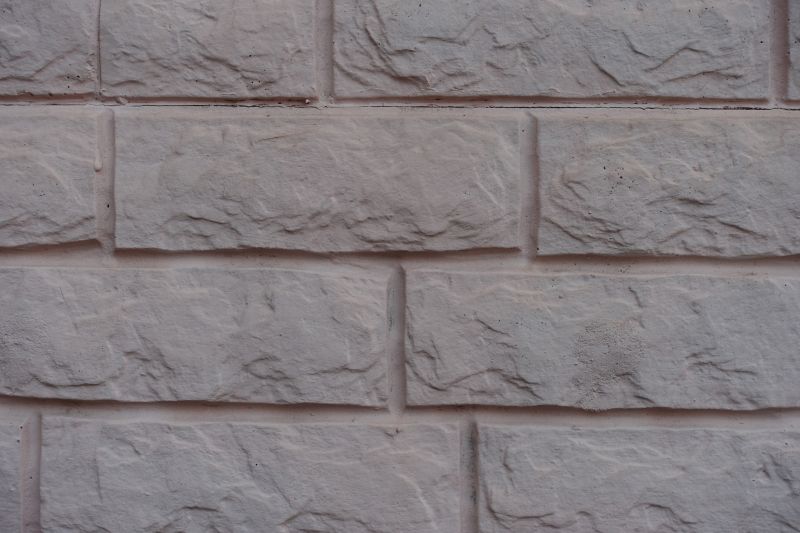
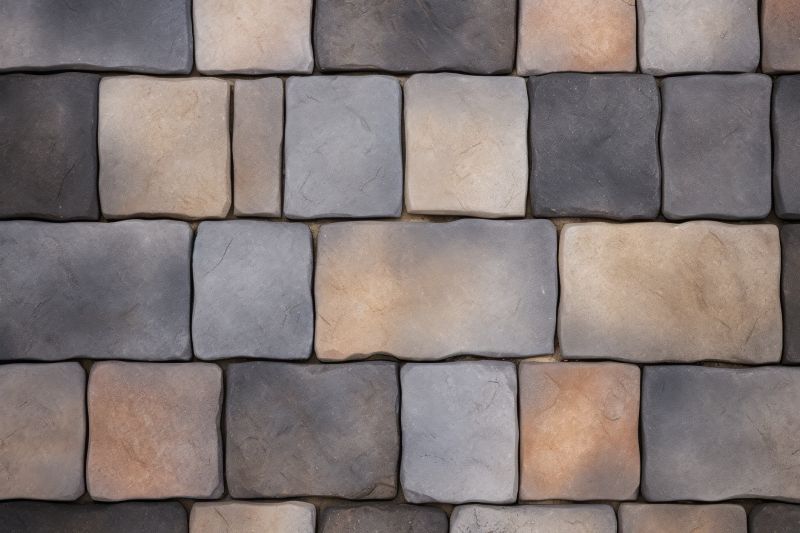
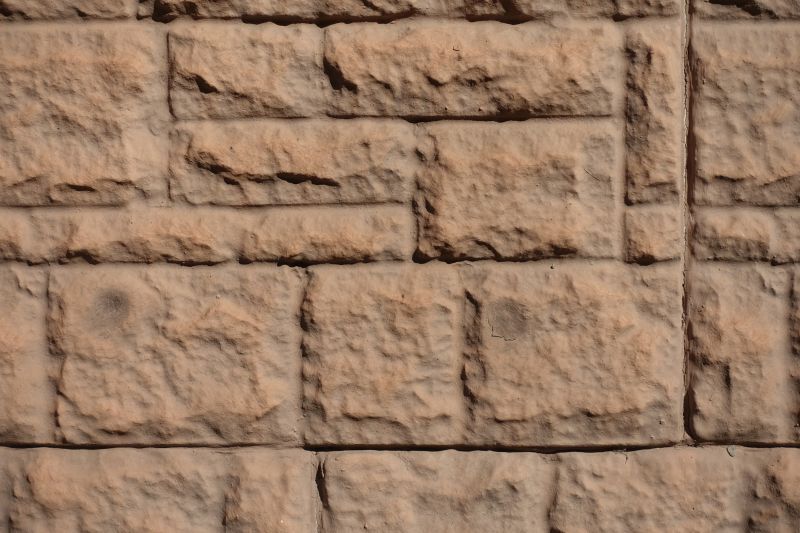
When people search for brick and stone flatwork repair vs. replacement for commercial properties, they are usually trying to understand the best approach for addressing issues with their exterior surfaces. These surfaces often include walkways, parking lot borders, loading docks, and decorative facades made from brick or stone materials. The goal is to determine whether repairs can restore the integrity and appearance of the flatwork or if a full replacement is necessary to ensure safety, durability, and visual appeal. Typically, property owners want to avoid unnecessary expenses while making sure their commercial spaces remain functional and attractive for customers, employees, or tenants.
This topic relates closely to common problems like cracking, spalling, uneven surfaces, or loose materials that develop over time due to weather, ground movement, or heavy traffic. Many property owners also consider their long-term plans for the property, such as renovations or upgrades, which can influence whether repair or replacement makes more sense. For example, a small crack might be easily fixed through repair, but extensive damage or significant settling could require a complete overhaul. Understanding these issues helps property managers and business owners decide if their flatwork needs a quick fix or a more comprehensive solution to maintain safety standards and aesthetic quality.
The types of properties that often come up in discussions about brick and stone flatwork repair vs. replacement include retail centers, office complexes, industrial parks, and multi-unit residential buildings. These properties typically feature large expanses of flat surfaces that are exposed to frequent use and environmental stressors. Commercial properties with decorative brick or stone facades or paved areas also fall into this category. The condition of the flatwork directly impacts curb appeal and safety, making it essential to work with experienced service providers who understand the specific demands of commercial environments. Local contractors familiar with these property types can assess the extent of damage and recommend the most practical and durable solutions.
For property owners exploring these options, understanding the differences between repair and replacement helps in making informed decisions. Repair work generally involves fixing specific issues like cracks, chips, or loose stones, which can often be completed quickly and at a lower cost. Replacement, on the other hand, involves removing and installing new flatwork sections, which may be necessary when damage is widespread or structural integrity is compromised. Local service providers specializing in brick and stone flatwork can evaluate the condition of the surfaces and advise on the most appropriate approach based on the property's needs. This ensures that commercial properties maintain their functionality and appearance while making the most practical investment in their exterior surfaces.
Concrete paving restoration - professionals skilled in repairing and maintaining concrete surfaces, which shares techniques used in brick and stone flatwork repair for commercial properties.
Sidewalk and walkway repair - involves planning and executing repairs on flat, load-bearing surfaces similar to those in brick and stone flatwork projects.
Patio and plaza restoration - requires understanding of flat surface materials and repair methods that are applicable to restoring brick and stone outdoor spaces.
Parking lot surface repair - involves surface preparation and repair skills that are relevant for addressing issues in brick and stone flatwork for commercial parking areas.
Retaining wall construction - shares planning and structural skills with brick and stone flatwork, especially when repairing or replacing damaged elements.
Paving stone installation - focuses on laying and repairing stone surfaces, closely related to the skills needed for brick and stone flatwork repair and replacement projects.
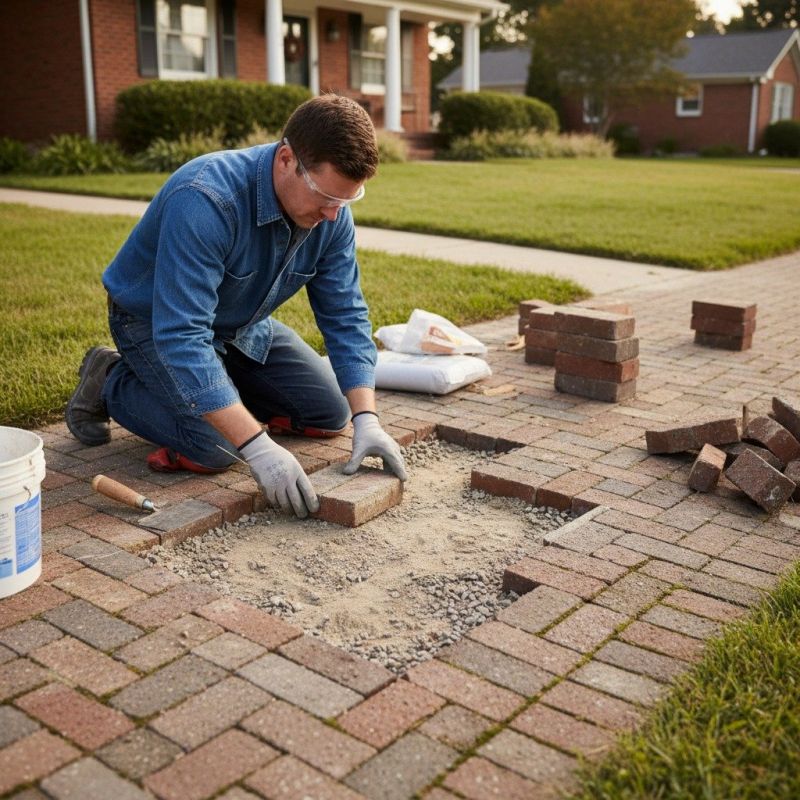
When evaluating options for brick and stone flatwork repair versus replacement on commercial properties, it is essential to consider the experience of local contractors with similar projects. Contractors who have handled repairs or replacements of comparable size and complexity can offer valuable insights into what methods are most effective and durable. A contractor’s track record with projects like yours can help ensure that the work will be performed with an understanding of the specific challenges and requirements associated with commercial brick and stone flatwork, leading to a more informed decision.
Clear, written expectations are a critical component when comparing service providers for brick and stone flatwork services. Reputable local contractors should be able to provide detailed descriptions of the scope of work, materials to be used, and the process involved in either repairing or replacing flatwork. Having this information in writing helps prevent misunderstandings and ensures that all parties are aligned on the project’s goals. It also facilitates a smoother process by establishing transparency from the outset, making it easier to assess which contractor’s approach aligns best with the needs of the property.
Reputable references and effective communication are key indicators of a reliable service provider. Local contractors with a history of satisfied clients can offer insights into their professionalism, quality of work, and ability to meet deadlines. Good communication throughout the project helps address questions or concerns promptly, reducing the likelihood of surprises or issues down the line. When comparing options, seeking out references and assessing how well each contractor communicates can provide confidence that the chosen professional will deliver a successful brick and stone flatwork repair or replacement tailored to the specific demands of a commercial property.
Property owners often search for brick and stone flatwork repair vs. replacement for commercial properties when they are planning practical projects around their homes and businesses. Local pros provide Brick and Stone Flatwork Repair services for everyday jobs and straightforward project options.

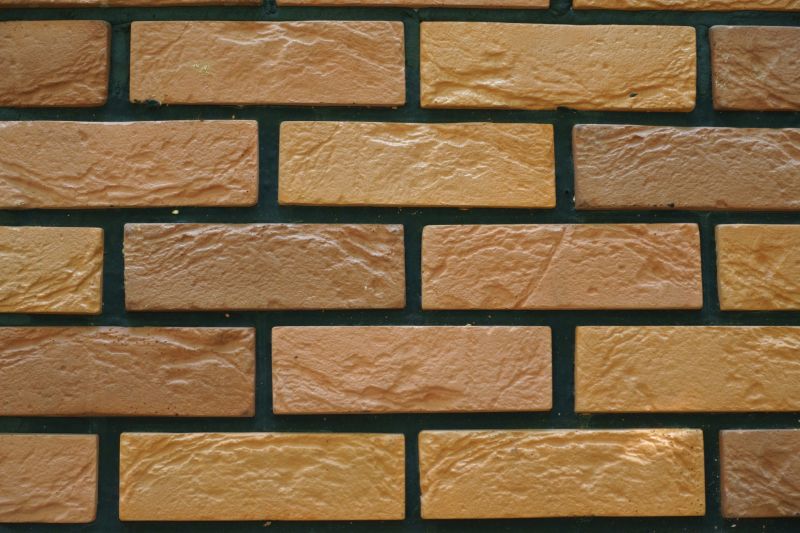
When commercial property owners notice cracked or uneven brick and stone flatwork, they often consider whether repair or replacement is the better choice. Repair options can be a practical solution for addressing minor damage, such as small cracks or loose stones, helping to restore the surface without the need for a full overhaul. Local contractors experienced in brick and stone flatwork repair can assess the condition of the existing materials and recommend solutions that extend the lifespan of the current flatwork, often saving time and money compared to replacement.
On the other hand, replacement might be necessary when the damage is extensive or structural integrity is compromised. For property owners facing large-scale deterioration or outdated designs, local service providers can help evaluate whether a repair will be sufficient or if a full replacement is more appropriate. Making an informed decision between repair and replacement for commercial properties involves understanding the extent of the damage and the long-term benefits of each approach, with local pros ready to provide guidance tailored to the specific needs of the project.
When should a property owner consider repair instead of replacement for brick and stone flatwork? Repair may be suitable when damage is limited to cracks, chips, or surface issues, and the structural integrity remains intact. Local contractors can assess the condition and recommend whether repair will restore the flatwork or if replacement is necessary.
What are the benefits of choosing repair over replacement for brick and stone flatwork? Repair typically involves less disruption, lower cost, and preserves the original aesthetic, making it a practical option when damage is minor. Service providers can help determine if repair will effectively address the issues.
Are there situations where replacement is the only viable option for flatwork on commercial properties? Replacement may be needed when damage is extensive, such as large cracks, shifting, or compromised structural support that repair cannot adequately fix. Local contractors can evaluate the extent of damage to advise on the best course.
How do local service providers determine whether to repair or replace brick and stone flatwork? They assess factors like the severity and type of damage, the age of the flatwork, and the overall condition of the material to recommend the most appropriate solution-repair or replacement.
Can repair methods match the appearance of the original brick and stone flatwork? Yes, skilled local contractors can often match the existing material and finish during repair, helping to maintain the property's aesthetic while addressing damage effectively.
Assessing damage for repair or replacement - property owners can evaluate the extent of damage to brick and stone flatwork to determine if repairs are sufficient or if replacement is necessary, with guidance from local contractors.
Choosing repair techniques for longevity - selecting appropriate repair methods can help extend the lifespan of brick and stone flatwork, making repairs a practical choice for maintaining property value.
Deciding when to replace for structural integrity - understanding signs that flatwork needs replacement, such as severe cracking or shifting, can help property owners plan for full replacement with the help of experienced local service providers.
Planning ongoing maintenance strategies - developing a maintenance plan with local pros can prevent future issues, ensuring brick and stone flatwork remains durable and visually appealing over time.
If you are thinking about brick and stone flatwork repair vs. replacement for commercial properties for a property, this guide is meant to help you understand this topic, the typical project types, and how different options might fit your plans.
When you are ready, you can use the quote form on this page to share a few details about your project. From there, local pros can review the basics and follow up with options that match what you have in mind.